Switzerland Housing Market Trends 2026

Switzerland Housing Market Trends 2026

The Swiss real estate market enters 2026 in a position of strength. Prices are rising, vacancy rates sit at a 12-year low, and demand continues to outweigh supply across virtually every category of residential property. For buyers looking to purchase in Switzerland, the central challenge of 2026 is not whether to act, but how quickly.

Why is the Swiss Real Estate Market so strong?

What distinguishes this market from others is that its resilience is not cyclical. It is built on constrained geography, a carefully constructed legal framework, sustained population growth and a decades-long undersupply of new housing. These are not conditions that reverse quickly.

What follows looks at how these fundamentals are playing out across the market in 2026 - price movements, vacancy rates, and the regional picture.

Switzerland Real Estate Market Trends 2026

Price Trends: Steady Growth, Not a Bubble

Property prices in Switzerland are forecast to continue rising in 2026, with a slight slowdown from the elevated pace of recent years.

According to Wüest Partner, condominiums are expected to appreciate by 2.8% and single-family homes by 3.1% over the course of the year. The Zurich Cantonal Bank is forecasting overall residential price growth of 4.5% for 2026. UBS, meanwhile, projects a central case of around 3%, noting that the market remains well-supported but that the pace of growth seen in 2023 and 2024 is unlikely to be repeated.

These forecasts align with the latest transactional data. According to the Wüest Partner Transaction Price Index, apartment prices rose 4.47% and house prices 4.61% year-on-year in Q3 2025, outpacing consumer prices significantly. Owner-occupied housing is now more cost-effective than renting on a monthly basis in many Swiss markets, a shift that further reinforces buyer demand in the coming quarters.

Supply, Demand and the Structural Imbalance

The most important dynamic in the Swiss property market is a persistent imbalance between supply and demand. Switzerland delivered only 40,750 new residential units in 2024, a decline of 12.8% on the previous year, according to Wüest Partner. While a modest recovery in residential construction is forecast for 2026, new housing completions will remain well below what the market requires to meet underlying demand.

Compounding the shortage, the national vacancy rate dropped to just 1% in June 2025, its lowest level since 2013, per UBS. In prime urban locations and alpine resort destinations, effective vacancy is even lower. Population growth continues to drive demand: Switzerland absorbed roughly 147,000 new residents in 2023, the majority through net migration, and while that pace moderated in 2024, the structural housing deficit shows no sign of easing in the near term.

The Rental Housing Market

The rental housing market tells a similar story of tightening supply and rising costs. Asking rents rose 6.3% in Q1 2024 compared to the same quarter of the previous year, one of the sharpest increases on record, according to Wüest Partner. While UBS notes that rental price growth has since moderated to around 1.2% above the previous year, existing rents remain under upward pressure and the market continues to tighten.

The practical implication for buyers is significant. In a growing number of Swiss markets, the cost gap between owning and renting has narrowed to the point where ownership is the more rational financial choice, a reversal of the historical norm that is reinforcing purchase demand. For high-net-worth individuals historically inclined to rent before committing to a purchase, this environment makes that calculation increasingly difficult to justify. Combined with the SNB's zero-interest rate policy, the opportunity cost of delay is measurable.

Regional Dynamics: Where the Opportunities Lie

Urban Markets

Zurich has entered a zone of high imbalance according to the UBS Swiss Real Estate Bubble Index, reflecting above-average price growth and rising price-to-income ratios, yet the city's fundamentals remain compelling: constrained supply, a dynamic financial and technology sector, and sustained international talent inflows.

UBS highlights Upper Valais, the Bernese Oberland, Lucerne and Schaffhausen as primary residence markets offering above-average price increases in the coming year. The Lake Geneva region presents a more nuanced picture. Primary residence markets in and around Geneva show elevated imbalances, and international buyers should note that Geneva canton takes none of the annual Lex Koller permits, meaning non-resident foreign purchases of residential property are effectively prohibited there.

Alpine Resort Markets: A Structural Scarcity Story

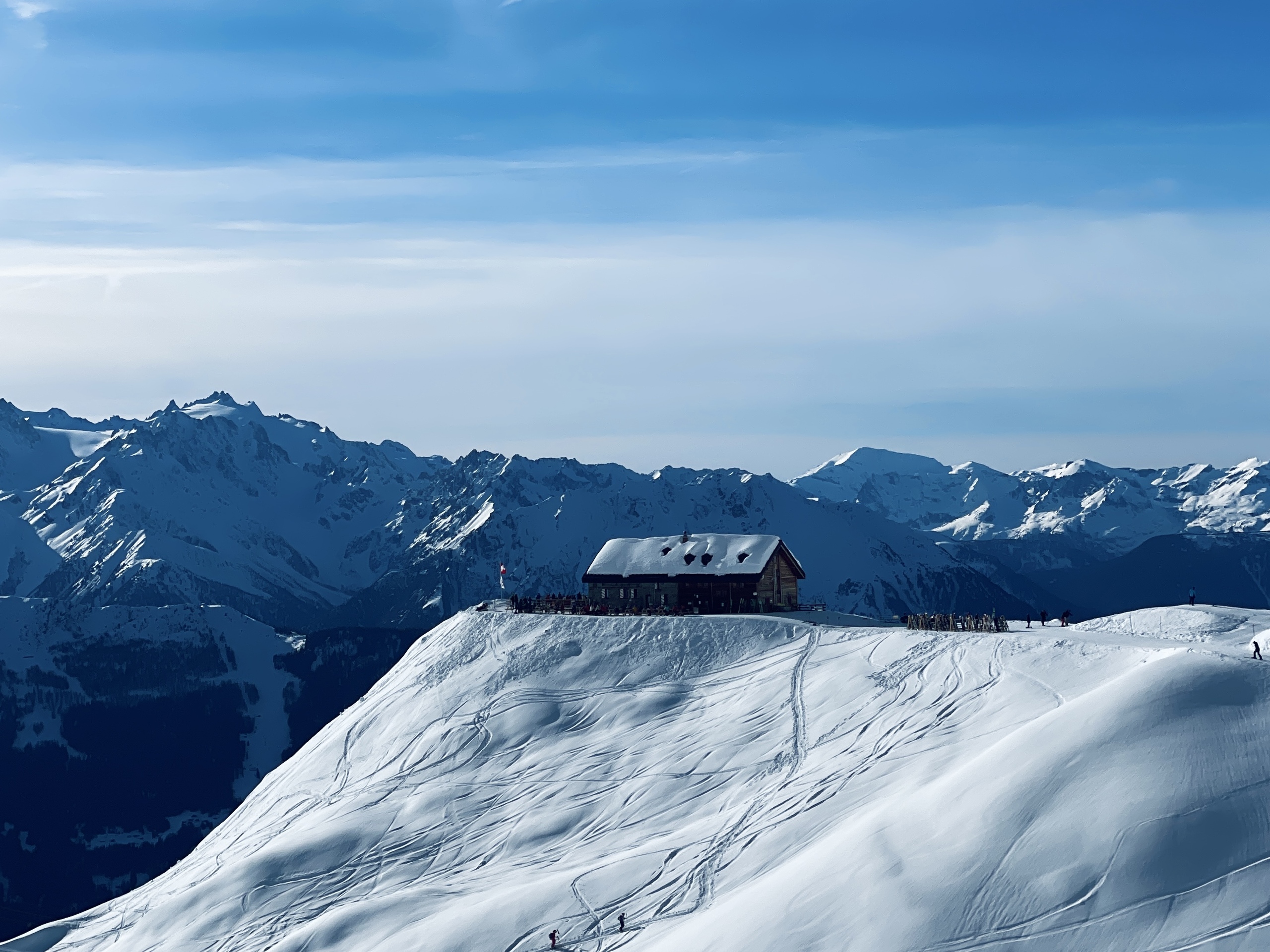
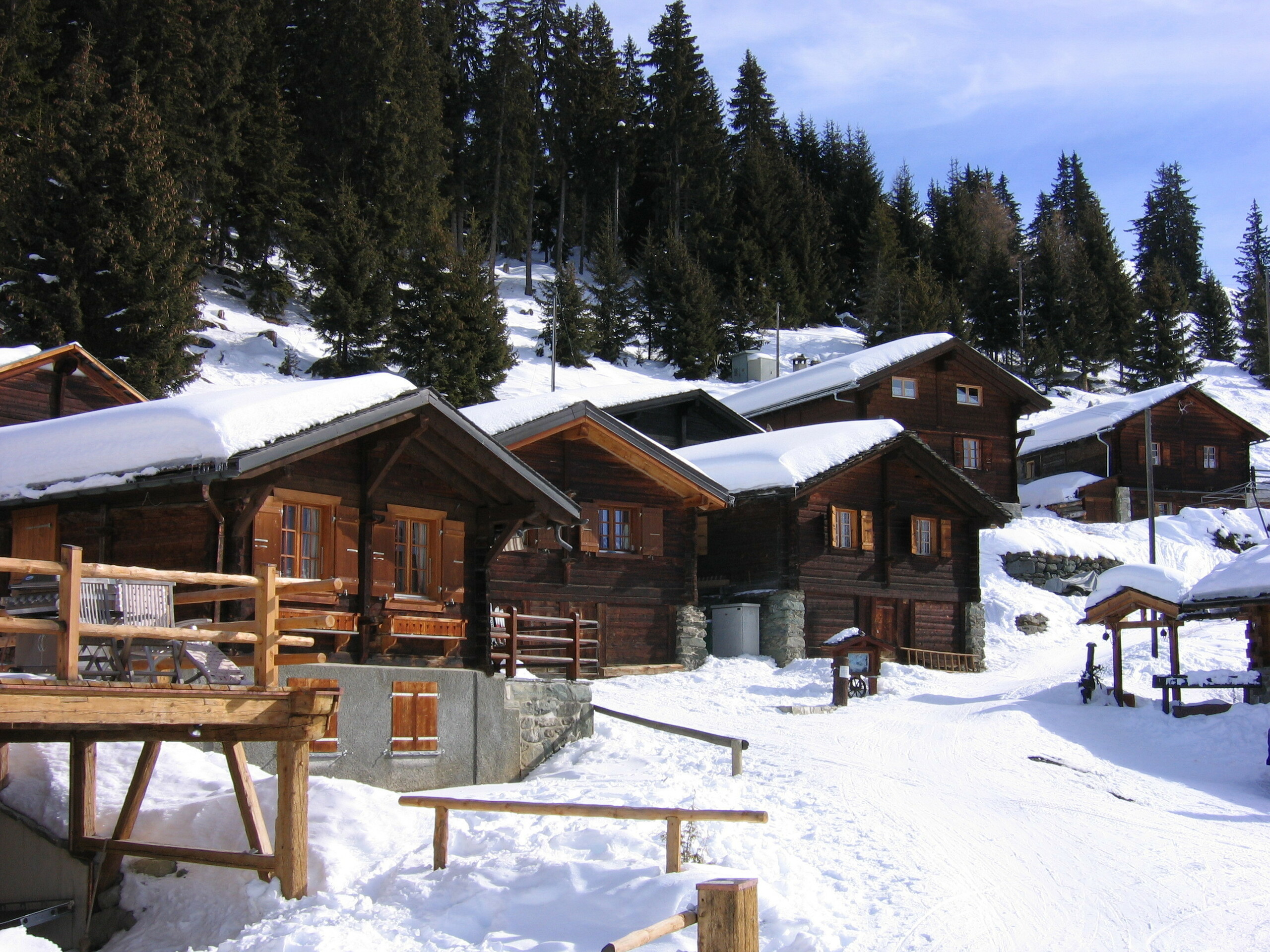
It is in the alpine resort segment where the dynamics are most compelling for international buyers. Since 2020, prices for high-end holiday homes across Swiss mountain resorts have increased by more than 30%, according to UBS Alpine Property Focus - a full 10% more than the broader Swiss property market. Switzerland is home to the five most expensive holiday home markets in the entire Alpine region, a dominance underpinned by structural constraints that have no parallel elsewhere in the Alps.

Two pieces of federal legislation act as a permanent floor under values. Lex Koller restricts non-resident foreign buyers to approximately 1,500 permits nationwide per year, with Valais receiving the largest cantonal allocation. Lex Weber caps second homes at 20% of any commune's residential stock, meaning no new second homes may be built in resorts that have already reached the threshold — and Verbier, Zermatt and Crans-Montana are all well over this cap.

Resort by Resort: Where Buyers Are Looking

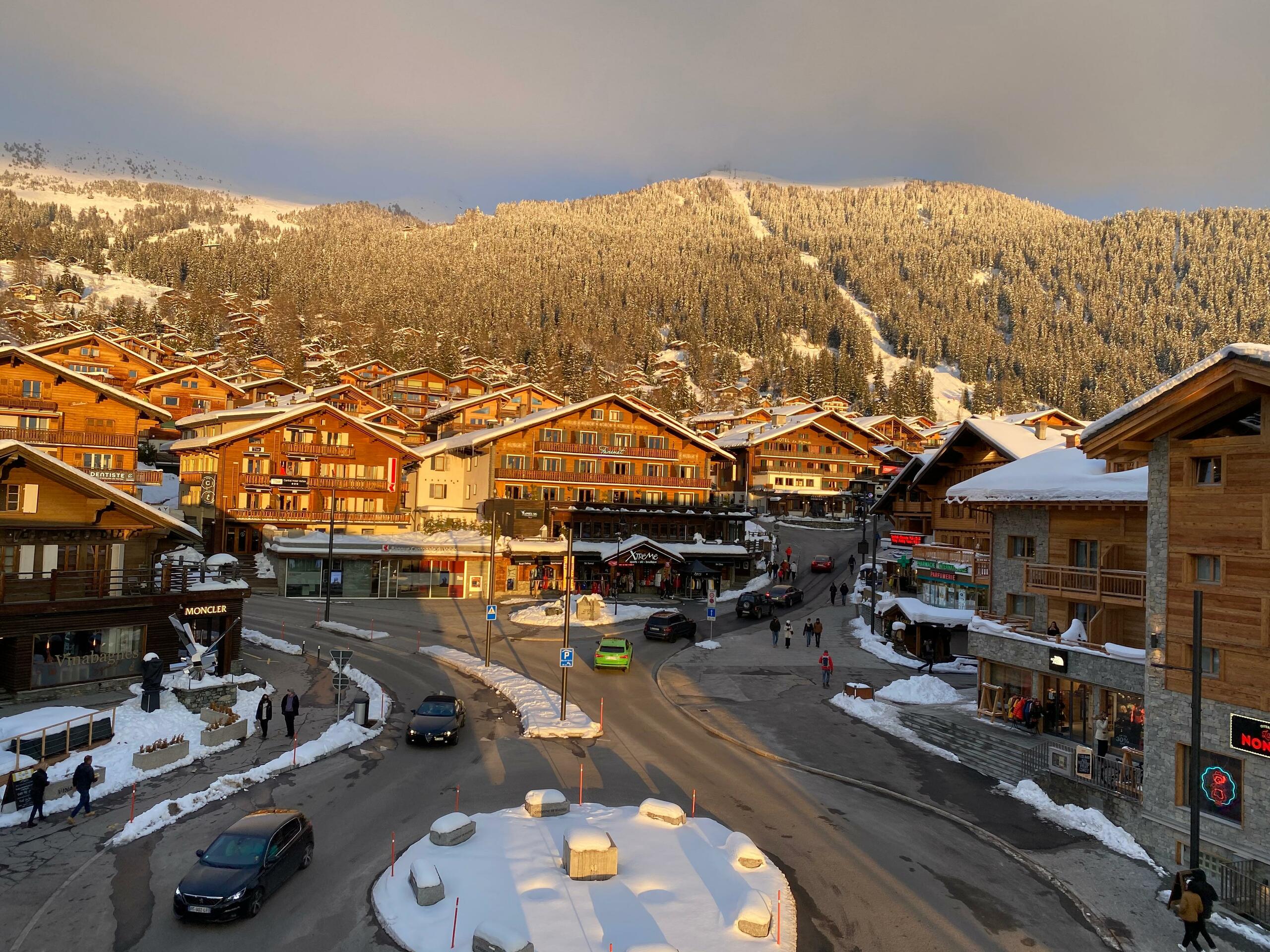
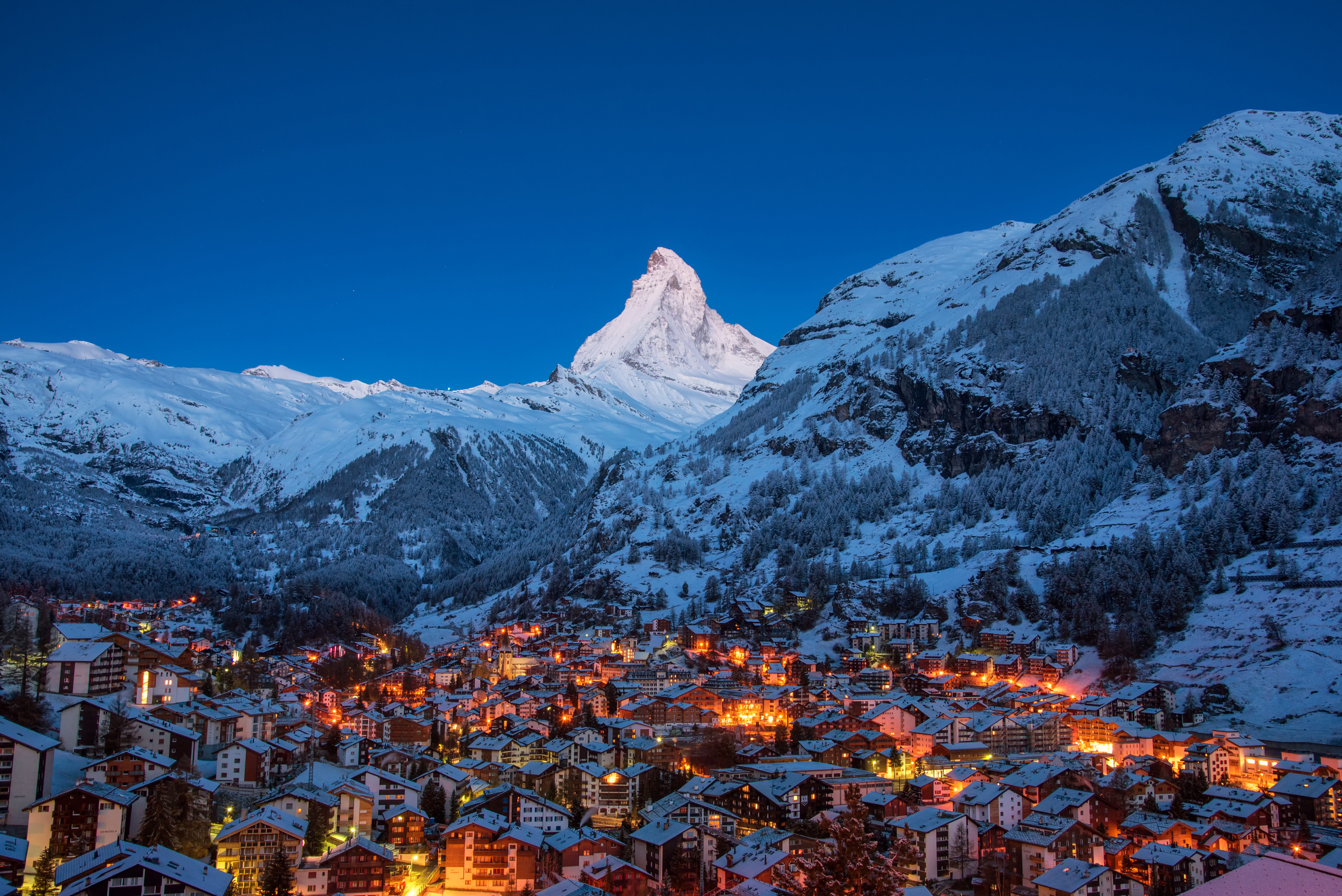
Verbier draws consistent demand from Scandinavians, Benelux and British buyers drawn to its unrivalled terrain, vibrant village atmosphere and long season. Zermatt offers something rarer still. A car-free, high-altitude environment with iconic appeal and some of the most acutely constrained supply in the Alps. Crans-Montana is increasingly recognised as a genuine four-season destination, with significant infrastructure investment underway and growing involvement reshaping its international profile.

The shift in how buyers are using these properties is itself a structural support for prices. Post-pandemic, alpine resorts have evolved from seasonal retreats into year-round lifestyle addresses. Nearly three-quarters of high-net-worth individuals are now considering full-time alpine living, according to the UBS Alpine Property Focus - a trend our own clients in Crans-Montana, Verbier and Zermatt reflect directly.

Interest Rates and Financing

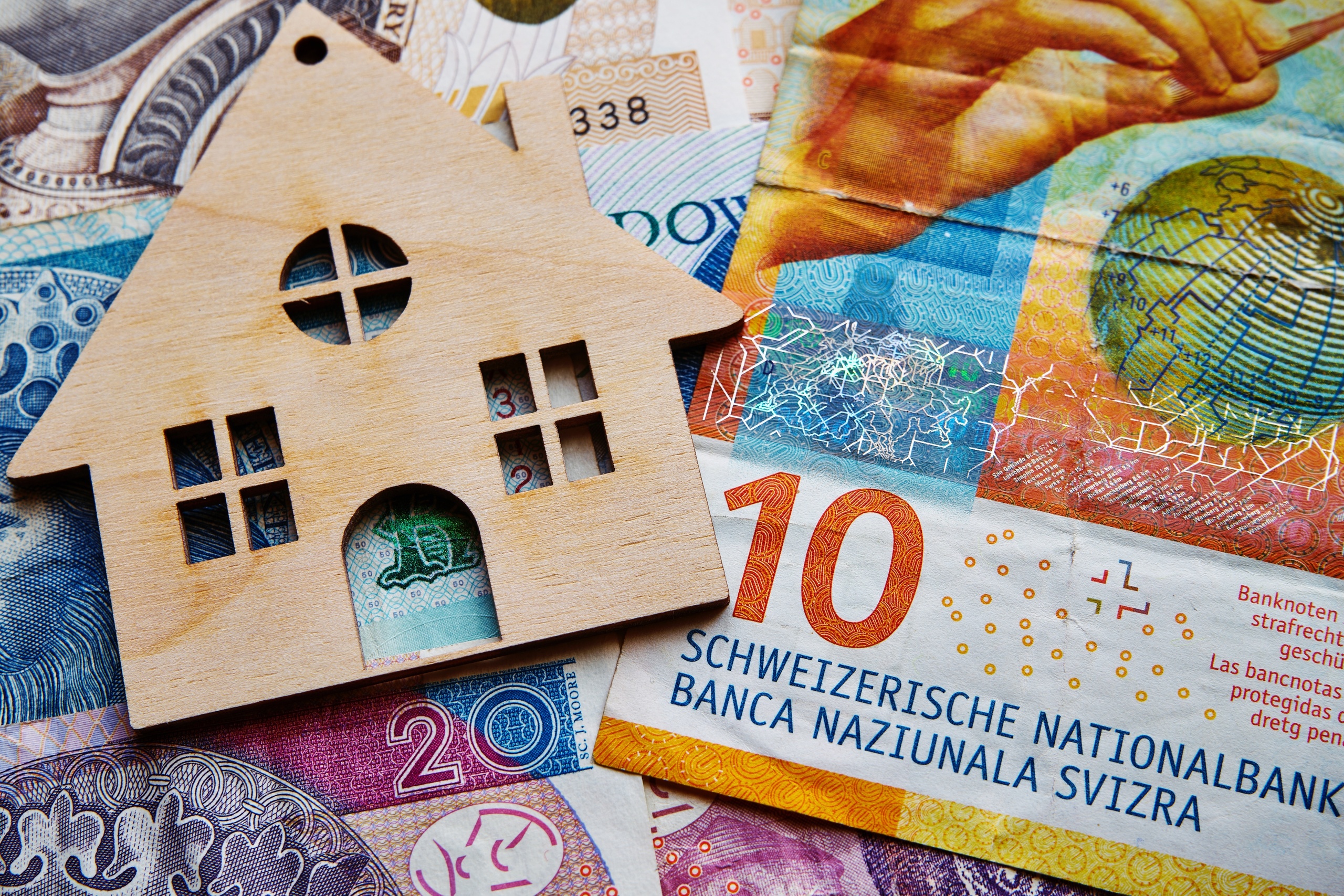
The Swiss National Bank cut its policy rate to 0% at the end of 2024 and is expected to hold it there through 2026. In practical terms, Swiss mortgage rates remain at historic lows; a one-year fixed rate currently sits at around 1%, with ten-year fixes in the range of 1.4% to 2%. While a modest increase in long-term rates is possible over the coming quarters, the financing environment remains highly attractive by any international comparison.

International buyers should be aware that Swiss mortgage financing for non-residents typically requires 35 to 50% equity and is subject to an affordability stress test at a hypothetical 5% rate, significantly above current market levels. Preparing for these requirements before identifying a target property is essential. For buyers whose wealth sits in investments or business equity rather than straightforward salary income, private banking arrangements can offer considerably more flexibility, though these typically require a broader relationship with the lending institution.

Our Outlook for 2026

The consensus from Houzy, Wüest Partner, UBS and ZKB is that Switzerland remains one of Europe's most resilient property markets, with moderate price growth across all residential segments expected through 2026. The forces driving that growth, excess demand, constrained construction, a growing population, and tightly regulated foreign buyer supply, are structural and will not resolve quickly.

The slight slowdown forecast for 2026 reflects a market maturing, not weakening. Our view, grounded in three decades of experience in Crans-Montana, Verbier and Zermatt, is that the case for acquiring quality Swiss property remains as strong as at any point in recent memory. The most sought-after properties regularly attract multiple interested buyers.

If you are considering a purchase in the Swiss Alps and would like a confidential conversation about current availability, contact our teams in Crans-Montana, Verbier and Zermatt, who are ready to help.