Lex Koller and Lex Weber explained: What you actually need to know
Buying property in Switzerland as a foreigner sounds complicated, and Swiss property laws do add a layer of complexity. But understanding Lex Koller and Lex Weber demystifies the process considerably. Here is what foreign buyers actually need to know before making a move.
What is Lex Koller?
Lex Koller, formally known as the Federal Act on the Acquisition of Real Estate by Persons Abroad (ANFG), is a federal law that restricts the ability of foreign nationals and legal entities to purchase residential property in Switzerland. First introduced in the 1960s and significantly strengthened in 1983, it remains one of the most important pieces of Swiss property legislation today.
Key facts about Lex Koller:
- It applies to non-residents and foreign nationals who do not hold a permanent Swiss residence permit (C permit).
- It limits foreign ownership of residential property, with the aim of keeping Swiss land accessible to Swiss citizens and permanent residents.
- Purchases require a cantonal permit in many cases, and such purchases are subject to strict conditions set by cantonal authorities.
- Commercial properties and certain types of real estate used for business purposes are generally exempt from Lex Koller restrictions.
- Swiss citizens, holders of a C permit, and EU/EFTA nationals with a Swiss residence permit (B permit) are treated differently and may have broader rights to property purchase.
How does the Lex Koller Law affect foreign buyers?
For international investors and foreign nationals considering property in Switzerland, Lex Koller is the first hurdle to understand. Its practical effect is to limit, but not eliminate, the ability of foreigners to buy property in Switzerland.
How it affects property buyers in practice:
- Primary residences: EU/EFTA nationals living and working in Switzerland on a valid B permit can generally buy a primary residence without requiring a special permit, though restrictions may apply depending on their nationality.
- Holiday homes and secondary residences: These are where Lex Koller restrictions are most keenly felt. Foreign buyers wishing to purchase a second home or holiday property typically require cantonal authorisation.
- Quota system: Each Swiss canton is allocated a limited number of permits per year for foreign buyers of holiday homes, meaning availability is genuinely restricted.
- Size restrictions: Lex Koller legislation often places limits on the total plot size and living area of properties that can be sold to persons abroad.
- Resale conditions: Properties acquired under Lex Koller authorisation may be subject to conditions on resale, including restrictions on who they can be sold to in the future.
What is Lex Weber?
Lex Weber, formally the Federal Act on Second Homes, is a more recent piece of Swiss federal law, adopted by referendum in 2012 and coming into force in 2016. Where Lex Koller concerns who can buy property, Lex Weber concerns what can be built and how existing properties can be used.
Key facts about Lex Weber:
- It was introduced to protect the alpine landscape and prevent the unchecked growth of empty holiday homes in Switzerland's mountain regions.
- The law caps the proportion of secondary homes in any Swiss municipality at 20% of the total housing stock.
- In municipalities where secondary residences already exceed 20% of the housing stock, no new holiday homes can be built.
- Existing properties built before 2012 are subject to strict rules on conversion, renovation, and change of use.
- The law was driven by concerns about sustainable development and the impact of empty properties on local communities and year-round residents.
- Serviced apartments: properties offered for tourist rental under certain conditions are one of the permitted exceptions under the new development rules.
How does the Lex Weber Law affect foreign nationals?
Lex Weber applies to everyone, Swiss citizens and foreigners alike. Its impact on foreign nationals looking to buy holiday homes in Switzerland's popular ski resorts and mountain destinations is particularly pronounced.
How it affects the market for foreign buyers:
- No new second homes in capped municipalities: In the most popular tourist regions, where the 20% threshold has already been reached, foreign investors and buyers simply cannot buy a newly built holiday home. New development for secondary residence use is prohibited.
- Limited supply, rising prices: The cap on new construction has significantly restricted supply. In resorts like Verbier, Zermatt, and Crans-Montana, property prices have risen substantially as a result, making existing properties more valuable and more sought after.
- Buying existing properties: Foreign buyers can still acquire existing properties built before 2013, subject to Lex Koller authorisation. However, the pool of available stock is finite and competitive.
- Conversion restrictions: Owners of older properties cannot freely convert a primary residence into a secondary home without meeting specific requirements set by local cantonal authorities.
- Serviced apartment exception: New construction remains possible for properties that are made available for short-term tourist rental. This pathway is increasingly popular for developers and international investors seeking to enter Switzerland's Alpine property market.
- Size restrictions on renovations: Lex Weber also imposes size restrictions on extensions and renovations of existing secondary homes, preventing significant expansion beyond the original footprint.
Together, Lex Koller and Lex Weber create a tightly regulated environment, but one that also protects property values and the quality of Switzerland's alpine destinations.
How do cantonal rules affect property purchases in Switzerland?
Switzerland's federal structure means that Lex Koller and Lex Weber set the national baseline. But cantonal authorities have the power to apply stricter regulations on top of that framework, and many do.
What this means in practice for foreign buyers:
- Permit quotas vary by canton: The number of authorisations available to persons abroad for holiday home purchases is allocated at a cantonal level. Some cantons issue very few permits each year, making competition for available slots intense.
- Valais and Graubünden, home to Crans-Montana, Verbier, and Zermatt, are among the most regulated cantons for foreign property ownership, reflecting the high proportion of secondary homes and sustained international demand in these regions.
- Stricter local conditions: Cantonal and municipal rules can impose additional requirements beyond the federal law, including tighter size restrictions, conditions on rental use, and limitations on how quickly a property can be resold.
- No single rulebook: Regulations differ meaningfully from one canton to the next, and even between Swiss municipalities within the same canton. What is permitted in one location may not be permitted in another.
This is one of the strongest arguments for working with a locally embedded real estate agent; someone who knows not just the federal rules, but the specific cantonal and municipal landscape of your target destination.
What areas of Switzerland are affected by Lex Weber and Lex Koller the most?
The combined effect of these two Swiss property laws is felt most acutely in the country's most desirable alpine and lakeside destinations, precisely the locations that attract the most international interest.
Regions most affected:
- Popular ski resorts in the Alps: Destinations such as Verbier, Zermatt, Crans-Montana, Gstaad, St. Moritz, and Saas-Fee are among the most heavily affected by Lex Weber. Many of these Swiss municipalities crossed the 20% secondary homes threshold long ago, meaning new holiday home construction is now prohibited. Lex Koller restrictions also apply heavily here, given the predominance of second-home buyers.
- Lake Geneva region: The areas surrounding Lake Geneva, including Montreux, Lausanne, and the broader Vaud Riviera, attract significant interest from foreign nationals. Both Lex Koller and cantonal restrictions shape what is available and to whom.
- Valais and Graubünden cantons: These cantons contain some of Switzerland's most iconic ski resorts and have some of the highest concentrations of secondary residences. Lex Weber's cap is most visibly enforced here, and cantonal authorities apply Lex Koller rules rigorously.
- Bernese Oberland: Including Grindelwald, Wengen, and Mürren, villages where foreign ownership has historically been high and where the combination of both laws creates a highly restricted supply of available property.
Why it matters for buyers:
- In all of these regions, the interaction between Lex Koller (limiting who can buy) and Lex Weber (limiting what can be built) means the available inventory of legally purchasable properties for foreign nationals is small and highly competitive.
- Stricter regulations have not dampened demand. If anything, scarcity has reinforced the prestige and investment appeal of Swiss Alpine real estate.
- Buyers looking at these markets are advised to work with experienced local agents who understand both the permit system and the specific rules of each canton and municipality.
Where can foreign buyers still buy property in Switzerland?
Despite the restrictions imposed by Lex Koller and Lex Weber, there are meaningful and attractive routes to property ownership in Switzerland for foreign nationals. The key is knowing where to look and what is permitted.
What remains available to foreign buyers:
- Existing properties in popular tourist regions: Where Lex Weber prohibits new secondary homes, existing properties built before 2013 remain available for purchase, subject to Lex Koller authorisation. These are often high-quality chalets and apartments in prime alpine locations.
- Serviced apartments: New-build serviced apartments, made available for tourist rental, are one of the few categories of new construction accessible to foreign buyers in capped municipalities. These can offer both personal use and rental income.
- Commercial real estate: Lex Koller does not apply to commercial properties, making Switzerland's commercial real estate market more freely accessible to non-residents and international investors.
- Properties in non-capped municipalities: Some Swiss municipalities have not yet reached the 20% secondary homes threshold, allowing new construction. However, these tend to be less well-known destinations.
- Primary residences for permit holders: Foreign nationals living in Switzerland on a B or C permit have greater flexibility to purchase residential property, including in popular areas.
Where Steiger&Cie Sotheby’s International Realty can help:
Steiger&Cie Sotheby's International Realty specialises in Alpine real estate in three of Switzerland's most prestigious destinations, all of which offer genuine, legitimate opportunities for qualified foreign buyers:
- Crans-Montana: A sun-drenched plateau above the Rhône Valley, offering over 140 km of ski pistes, world-class golf, and a vibrant social life. Steiger&Cie's team in Crans-Montana combines deep local knowledge with international real estate expertise.
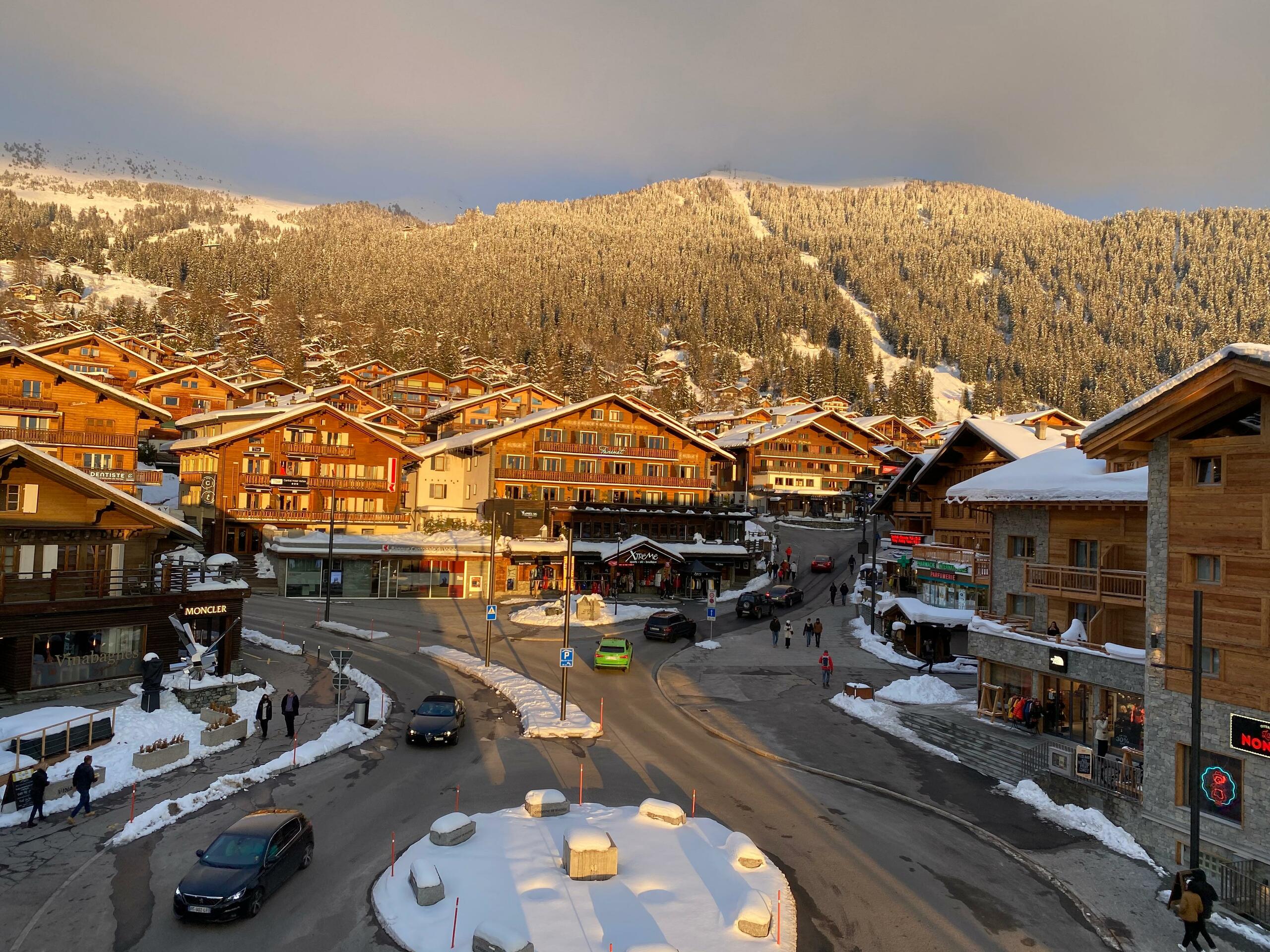
- Verbier: One of Europe's most celebrated ski resorts, with a cosmopolitan atmosphere and a strong long-term investment track record. Verbier's limited property supply, reinforced by Lex Weber, continues to underpin its value.
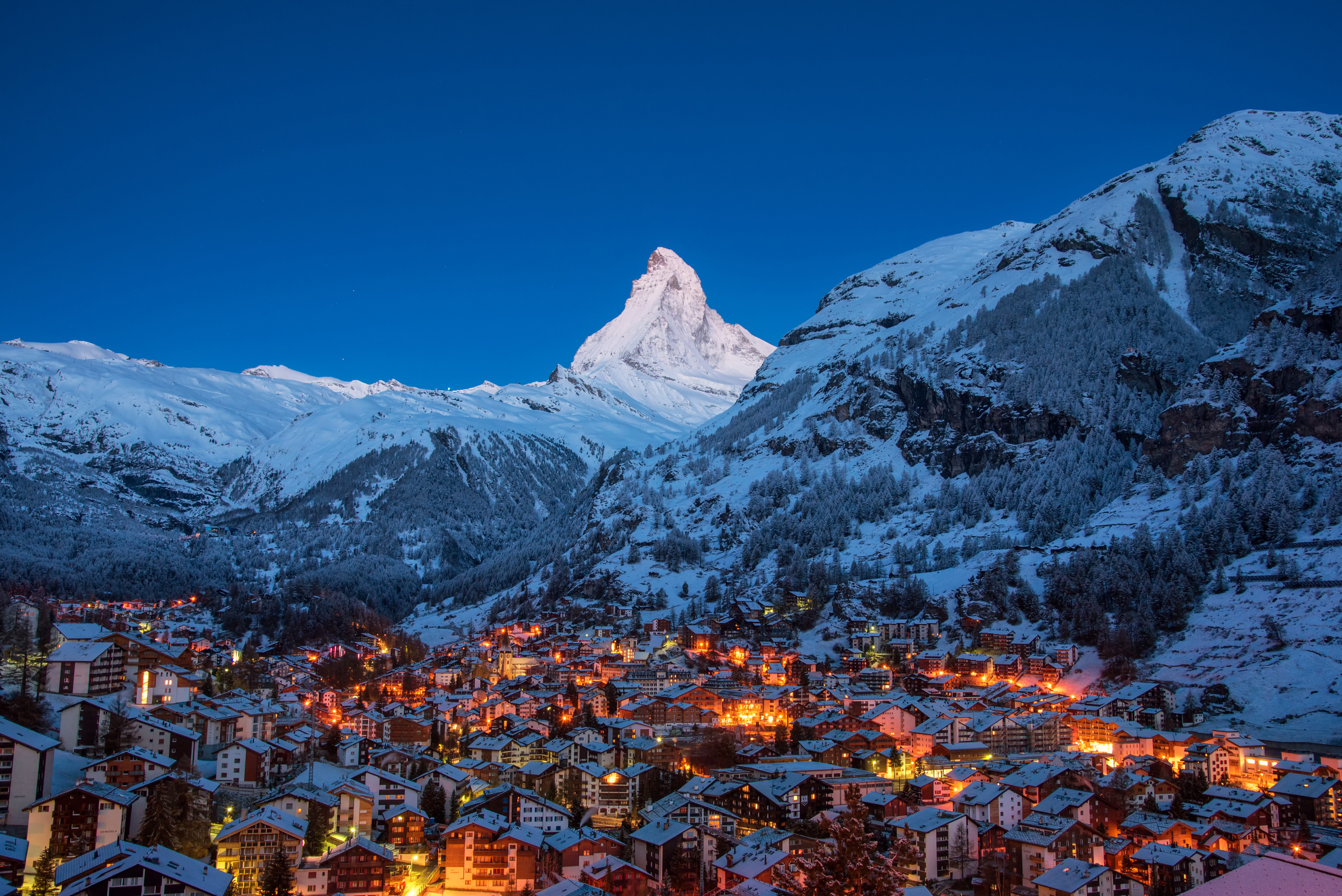
- Zermatt: Iconic, car-free, and set beneath the Matterhorn, Zermatt is one of the most sought-after addresses in the Swiss Alps. Steiger&Cie's Zermatt team guides buyers through every stage of the acquisition process, including all permit requirements.
In all three locations, navigating Lex Koller and Lex Weber successfully comes down to expert local guidance, exactly what Steiger&Cie is uniquely positioned to provide.
Should foreign investors buy property in Switzerland?
Despite and in many ways because of the regulatory framework, Switzerland remains one of the world's most compelling destinations for foreign property investment.
The case for buying:
- Scarcity protects value: Lex Weber's cap on new secondary homes in popular ski resorts means supply is permanently constrained in the most desirable locations. This structural scarcity supports long-term property prices and makes existing properties in places like Verbier and Zermatt genuinely rare assets.
- Political and economic stability: Switzerland's federal government has maintained one of the world's most stable political and economic environments for generations. Swiss banks, the currency, and the legal system all offer a level of security that is rare globally.
- Currency strength: Holding real estate in Switzerland means holding an asset denominated in Swiss francs, one of the world's most resilient currencies, offering a natural hedge for international investors.
- Quality of life: The combination of world-class infrastructure, natural beauty, and strong local communities makes Swiss property ownership genuinely liveable, not just a financial instrument.
- Rental income potential: In popular tourist regions, well-positioned properties can generate meaningful rental income during both the ski season and the summer months.
What buyers should consider:
- The permit and authorisation process requires patience and expert guidance. Working with an experienced Swiss real estate agent who understands Lex Koller legislation and cantonal rules is essential.
- Foreign nationals should take independent legal and tax advice, as regulations vary by nationality, residency status, and canton.
- Buyers holding a Swiss residence permit, particularly a C permit, have considerably more freedom in the market.
For well-advised international investors, Switzerland's Alpine real estate market offers a rare combination of lifestyle, stability, and long-term value that few other countries in the world can match.
Find your new home in the Swiss Alps with Steiger&Cie
Navigating Swiss property laws as a foreign buyer is genuinely complex, but it's far from impossible with the right partner. Steiger&Cie Sotheby's International Realty brings decades of expertise in Lex Koller and Lex Weber compliance across Crans-Montana, Verbier, and Zermatt. Whether you are looking for an existing chalet, a serviced apartment, or seeking advice on what is possible for your circumstances, our team is ready to guide you through every step. Get in touch with Steiger&Cie today and take the first step towards owning a piece of the Swiss Alps.